
European countries tier list
From Iceland and Portugal to Ukraine and Russia: 44 European countries, each with its capital.
Tiles to rank 44
Add a name or a picture below, or drop image files anywhere on the page. Then drag each tile into a row, or tap it to choose one.
About this template
Where Europe ends is a matter of debate, so this template follows the United Nations' list of European countries: 44 in all, from Iceland and Portugal in the west to Russia in the east, with Vatican City, Monaco and San Marino among them. The UN counts Cyprus, Turkey, Georgia, Armenia and Azerbaijan as part of western Asia, so they are not in the tray. Add them, or Kosovo, if your Europe includes them.
Rank them on places you have been, on scenery, or on where you would move tomorrow. The notes below give each country's capital and its tie to the European Union, which makes the board useful for a quiz night or for revising geography.
Go down a level with European capitals and European cities, or out to all countries.
Advertisement
European countries ranked from S to F
Ranked as a trip for a first-time visitor: the sights, the food, how easy it is to get around, and what it costs. Ranked as it stands in late 2026, so the countries under travel warnings sit at the bottom for now. Disagree? Drag the tiles above into your own order.
S tier
-
Italy. Rome, Florence, Venice and the Amalfi Coast in one country, and the best everyday food in Europe.
-
France. Paris alone justifies the trip, with Provence, the Loire and the Alps a train ride away. More international visitors than any other country.
-
Spain. Barcelona, Madrid, Seville and Granada, late dinners, cheap tapas and more sunshine than anywhere else on the board.
-
Greece. Athens's ancient sites and thousands of islands, each with its own beach and taverna. Best in May, June or September.
-
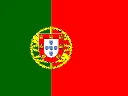
Portugal. Lisbon and Porto are walkable, friendly and cheaper than their neighbours, with the Algarve's beaches close by.
-
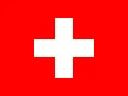
Switzerland. Lakes, glaciers and trains that run to the minute. The scenery is S tier; the prices nearly push it down.
A tier
-
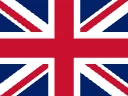
United Kingdom. London's free museums, Edinburgh, and the Lake District and the Cotswolds. The weather costs it a place in S.
-
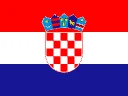
Croatia. Dubrovnik, Split and the lakes of Plitvice, with clear water all along the coast. Packed in August.
-
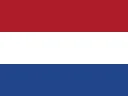
Netherlands. Amsterdam's canals and museums, flat roads made for cycling, and tulip fields in spring.
-
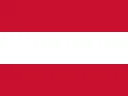
Austria. Vienna's coffee houses and concert halls, Salzburg, and skiing in winter.
-
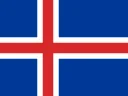
Iceland. Waterfalls, glaciers, geysers and the northern lights. Unlike anywhere else in Europe, and priced like it.
-
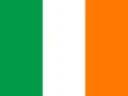
Ireland. Dublin's pubs and the Wild Atlantic Way. Small enough to see a lot of it in a week.
-
Czech Republic. Prague's old town is one of the best preserved in Europe, and the beer is excellent and cheap.
-
Norway. The fjords are some of the most dramatic scenery anywhere. Expensive, so plan carefully.
-
Germany. Berlin, Munich, castles along the Rhine and Christmas markets in December. Varied, efficient and easy.
B tier
-
Slovenia. Lake Bled, the Julian Alps and Ljubljana's small, pretty centre. A good-value surprise.
-
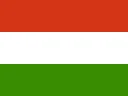
Hungary. Budapest's thermal baths, ruin bars and the Danube lit up at night, for much less than Vienna.
-
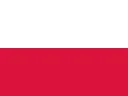
Poland. Kraków's old town, Gdańsk and Warsaw, with hearty food and low prices.
-
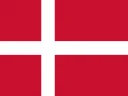
Denmark. Copenhagen is one of the easiest cities in the world to enjoy by bike. Small and expensive.
-
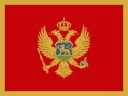
Montenegro. The Bay of Kotor is one of the most beautiful spots on the Adriatic, and the country is small enough to cross in a day.
-
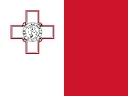
Malta. Valletta, clear water and some of the oldest free-standing temples in the world, with English widely spoken.
-
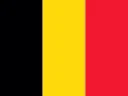
Belgium. Bruges, Brussels's Grand Place, waffles, chocolate and beer. Better as a short trip than a long one.
-
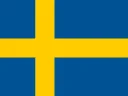
Sweden. Stockholm spreads across fourteen islands, and summer days barely end. Expensive and quiet outside the cities.
-
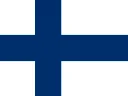
Finland. Saunas, lakes, Lapland's northern lights and Helsinki's design. Best at the extremes of summer or winter.
-
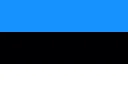
Estonia. Tallinn's medieval old town is one of the best preserved in northern Europe.
Advertisement
C tier
-
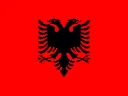
Albania. Beaches to match Greece's at a fraction of the price, and still uncrowded. Rising fast.
-
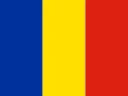
Romania. Transylvania's castles and painted monasteries, with fine mountain hiking. Under-visited.
-
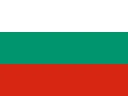
Bulgaria. Cheap Black Sea beaches, ski resorts and Sofia. Good value, less polish.
-
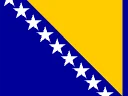
Bosnia and Herzegovina. Mostar's old bridge and Sarajevo's mix of cultures. A moving trip as much as a beautiful one.
-
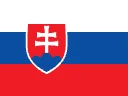
Slovakia. The High Tatras and a compact capital, Bratislava, an hour from Vienna.
-
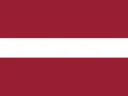
Latvia. Riga's Art Nouveau streets are the highlight; the rest is quiet forest and coast.
-
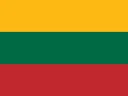
Lithuania. Vilnius has one of the largest old towns in northern Europe, and few crowds.
-
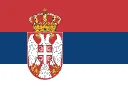
Serbia. Belgrade's nightlife is the draw, with good food and low prices.
-
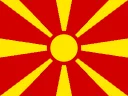
North Macedonia. Lake Ohrid is lovely and very old, but there is less to fill a long trip.
D tier
-
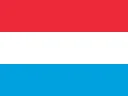
Luxembourg. Pretty and wealthy, and you will have seen most of it in a day.
-
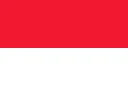
Monaco. A casino, a harbour and a Grand Prix in a country smaller than New York's Central Park.
-
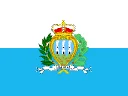
San Marino. A hilltop town with great views, best as a day trip from the Italian coast.
-
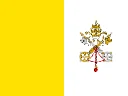
Vatican City. St Peter's and the Sistine Chapel are unmissable, but the whole country is a morning inside Rome.
-
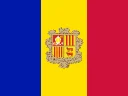
Andorra. Skiing and duty-free shopping in the Pyrenees, and little else.
-
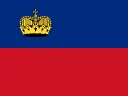
Liechtenstein. Alpine views and a small capital. Most visitors stay a few hours.
-
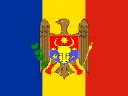
Moldova. Wine cellars that run for miles underground and almost no tourists, but little set up for visitors.
F tier
-
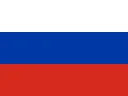
Russia. Moscow and St Petersburg have world-class sights, but the British, American and most EU governments advise against all travel there.
-
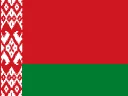
Belarus. The British, American and EU governments advise against travel, and little is set up for tourists.
-
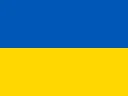
Ukraine. Kyiv and Lviv are beautiful cities, but while the war goes on governments advise against all travel there.
Advertisement
What's on the board
- Albania
- Capital Tirana. An EU candidate on the Adriatic and Ionian seas.
- Andorra
- Capital Andorra la Vella. A small state in the Pyrenees whose joint heads are the President of France and the Bishop of Urgell.
- Austria
- Capital Vienna. Joined the EU in 1995. The Alps cover most of the country.
- Belarus
- Capital Minsk. Landlocked between Russia, Ukraine, Poland, Lithuania and Latvia.
- Belgium
- Capital Brussels. A founding member of the EU, with Dutch, French and German as official languages.
- Bosnia and Herzegovina
- Capital Sarajevo. An EU candidate since 2022, made up of two entities and the Brčko District.
- Bulgaria
- Capital Sofia. Joined the EU in 2007 and the euro in 2026. Writes in Cyrillic, which took shape in medieval Bulgaria.
- Croatia
- Capital Zagreb. The most recent country to join the EU, in 2013, with more than a thousand islands.
- Czech Republic
- Capital Prague. Joined the EU in 2004. Also known by its short name, Czechia.
- Denmark
- Capital Copenhagen. Joined the EU in 1973. Greenland and the Faroe Islands are self-governing parts of the Kingdom of Denmark.
- Estonia
- Capital Tallinn. Joined the EU in 2004, and has let its citizens vote online in national elections since 2007.
- Finland
- Capital Helsinki. Joined the EU in 1995 and NATO in 2023. About a tenth of the country is water.
- France
- Capital Paris. A founding member of the EU and the most visited country in the world.
- Germany
- Capital Berlin. A founding member of the EU and its most populous country.
- Greece
- Capital Athens. Joined the EU in 1981. Around 6,000 islands, a little over 200 of them lived on.
- Hungary
- Capital Budapest. Joined the EU in 2004. Lake Balaton is the largest lake in central Europe.
- Iceland
- Capital Reykjavik. Not in the EU. Its parliament, the Althing, was founded in 930.
- Ireland
- Capital Dublin. Joined the EU in 1973, and shares its island with Northern Ireland.
- Italy
- Capital Rome. A founding member of the EU, with two small countries, San Marino and Vatican City, inside its borders.
- Latvia
- Capital Riga. Joined the EU in 2004. About half of the country is forest.
- Liechtenstein
- Capital Vaduz. A principality between Switzerland and Austria, and one of only two countries in the world that are doubly landlocked.
- Lithuania
- Capital Vilnius. Joined the EU in 2004. In 1990 it became the first Soviet republic to declare independence.
- Luxembourg
- Capital Luxembourg City. A founding member of the EU and the only grand duchy left in the world.
- Malta
- Capital Valletta. The smallest EU country, a member since 2004, with Maltese and English as official languages.
- Moldova
- Capital Chișinău. An EU candidate since 2022, between Romania and Ukraine. Its official language is Romanian.
- Monaco
- Capital Monaco. The second-smallest country in the world, on the French Riviera.
- Montenegro
- Capital Podgorica. An EU candidate that uses the euro without belonging to the eurozone.
- Netherlands
- Capital Amsterdam, with the government in The Hague. A founding member of the EU, and about a quarter of it lies below sea level.
- North Macedonia
- Capital Skopje. An EU candidate, known as Macedonia until 2019.
- Norway
- Capital Oslo. Not in the EU. Its coast is cut by deep fjords, and it governs the Arctic islands of Svalbard.
- Poland
- Capital Warsaw. Joined the EU in 2004 and is its fifth most populous member.
- Portugal
- Capital Lisbon. Joined the EU in 1986, with the Azores and Madeira out in the Atlantic.
- Romania
- Capital Bucharest. Joined the EU in 2007. The Danube meets the Black Sea in its delta.
- Russia
- Capital Moscow. The largest country in the world, stretching from eastern Europe across northern Asia.
- San Marino
- Capital City of San Marino. A small republic inside Italy that dates its founding to 301.
- Serbia
- Capital Belgrade, where the Sava meets the Danube. An EU candidate.
- Slovakia
- Capital Bratislava. Joined the EU in 2004. Split peacefully from the Czech Republic in 1993.
- Slovenia
- Capital Ljubljana. Joined the EU in 2004, with Alpine peaks and a short Adriatic coast.
- Spain
- Capital Madrid. Joined the EU in 1986, with the Balearic and Canary Islands.
- Sweden
- Capital Stockholm. Joined the EU in 1995 and NATO in 2024.
- Switzerland
- The government sits in Bern. Not in the EU, with four national languages: German, French, Italian and Romansh.
- Ukraine
- Capital Kyiv. The largest country entirely in Europe, and an EU candidate since 2022.
- United Kingdom
- Capital London. England, Scotland, Wales and Northern Ireland. Joined the EU in 1973 and left in 2020.
- Vatican City
- The smallest country in the world, inside Rome, and the seat of the Pope.
Want to rank something else?Open a blank board in the tier list maker, or sort your own tiles on an alignment chart.
New tier listRelated templates
Advertisement
Advertisement
Advertisement